Note: we are accepting Anthology submissions. Click Here to Submit
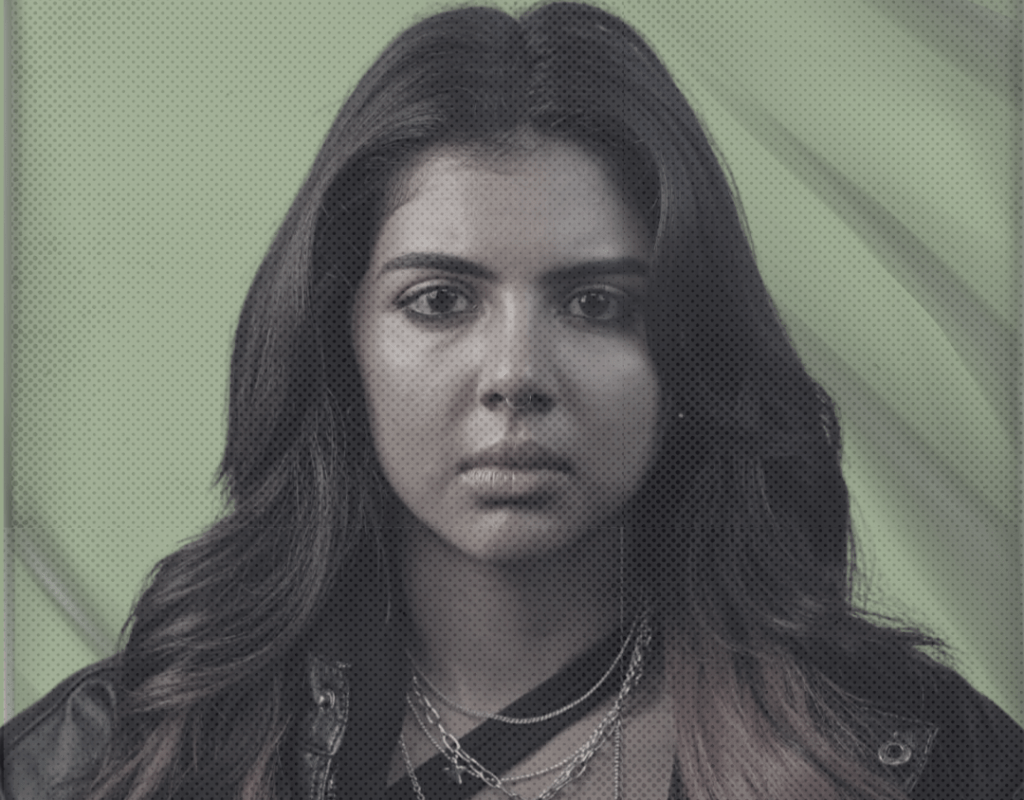
Cinema has always had a fascination with the supernatural, but rarely has a film woven together different mythologies so well to awaken ancient folklore into a modern superhero mythos, as Lokah: Chapter 1 – Chandra has done. Since its release, the audience have been gripped not just by its action and visuals, but by the way it resurrects legendary figures of Kerala’s folklore- yakshis, odiyans, Chathan, and the sorcerer-priest Kathanar and repurposes them in a narrative that seems to say ‘these stories aren’t relics; they live, breathe, and still matter’
In this essay, I explore Lokah’s mythological background, detailing how folklore about figures like Kalliyankattu Neeli, Chathan, Odiyan, and Kadamattathu Kathanar have persisted and passed down over generations, how Lokah connects with these legends and why these mythic beings, once feared or whispered about, remain alive in belief, ritual, and popular imagination.
Folkloric Foundations: Yakshi, Chathan, Odiyan, and Kathanar
Before we discuss the film, it’s essential to understand the legends it draws from.
Kalliyankattu Neeli (Yakshi): Perhaps one of the best-known spirit figures in Kerala folklore, Neeli is a Yakshi, a female spirit who met a violent death and returns for vengeance. According to various versions (notably Aithihyamala by Kottarathil Sankunni), Neeli was born as Alli, the daughter of a devadasi, whose beauty and status were bound by caste and ritual. She falls in love with Nambi, a Brahmin priest, who deceives and murders her (mostly for her wealth), after which she transforms into the Yakshi.
Chathan / Kuttichathan: These are trickster/goblin type spirits in Malayali folklore. In some accounts, there is a “fraternity” of many Kuttichathan spirits (legends say 390 in some versions), tied to gods like Vishnumaya, or invoked via priestly or sorcerous intermediaries. Their nature is ambiguous and mischievous, sometimes helpful to devotees, sometimes wicked depending on who controls or offends them.
Odiyan: Traditionally, Odiyans are rural shape-shifters in Kerala who can assume animal forms to carry out pranks, thefts, or vengeance. Legends say their transformations are not seamless, that they often carry deformities, or something uncanny remains in the animal form (eyes, limbs, etc.). They are feared, sometimes respected.
Kadamattathu Kathanar: A legendary sorcerer-priest, reputed to be able to command spirits, perform exorcisms, and contain malevolent supernatural beings. His stories are part of Kerala’s folklore tradition, especially from the Christian and blending multiple faith traditions. Kathanar is often the figure who restrains or negotiates with beings like Neeli.
These mythic figures have been preserved through oral traditions, ballads (Villadichan songs), folk stories, and were later compiled in works like Aithihyamala. Over time, the features changed – what was once taboo or feared now becomes myth, moral cautionary tale, even local deity. Belief systems adjust, often absorbing contradictions.
Lokah: Chapter 1 – Chandra: Plot + Myth Integration (with spoilers)
To see how these legends play out in Lokah, let’s glance at the plot elements relevant to the supernatural and how the film redraws them: The protagonist Chandra Ananya is summoned from Sweden to Bangalore; secrecy, a mysterious package, work at night, and later she is revealed to have supernatural strength. These are classic tropes reimagined.
As the film progresses, Chandra is kidnapped. Then she transforms into a Yakshi specifically, the legendary Kalliyankattu Neeli. She kills those who attacked her. The ancient priest Kadamattathu Kathanar is said to have recruited her to serve “Moothon,” a protector of balance. Inspector Nachiyappa begins turning into a yaksha himself. There are supernatural conflicts, regular criminals, organ-trafficking rings, police complicity. Chandra’s powers help her manoeuvre through modern day crimes. In post-credit scenes, other supernatural characters are introduced – an Odiyan named Charlie, a Chathan (goblin), Moothon etc., making clear that Lokah aims at building a cinematic universe of these mythic beings.
Myth, Belief & Social Meaning: Why These Legends Once Mattered
Get Issue 08 (Digital Version) Click Here
Many of these beings are not purely from “classical” religion (Hindu or Christian) but from folk religion. Sacred groves, Kaavu, offerings, worshipping spirits, etc. Neeli becomes the mother goddess in some locales. Chathan is appeased by people who believe in offerings. These beliefs persist in rural and even urban settings.
Legends like Neeli circulated via villadichan paattu, oral ballads, folklore, and later collected in texts like Aithihyamala. They survive because they are retold, reinterpreted, and because they speak to anxieties, fears, and desires that are consistent and never-changing.
Lokah doesn’t just reference these myths, it reorients them by making mythic beings reimagined as superheroes and vigilantes bringing in moral ambiguity by blending myth with urban crime and social issues.
What could have been another supernatural horror is instead something stranger: folklore as superhero tale. The movie takes the warnings of the myths and folklore and turns them into a universe, giving Neeli not just beauty and fury, but a body that bleeds into our world of organ traffickers and corrupt policemen. The ancient Kathanar appears not as a relic but as a recruiter, choosing her as a protector of balance.
So when cinema reclaims them, it doesn’t feel like an invention. It feels like a homecoming.
Belief and the Legend Today: What Do People Still Believe?
Though modernity, science, and urban life often marginalize folklore, many of these beliefs still exist.
Kalliyankattu Neeli, though originally a ghost/ Yakshi, is worshiped as a mother goddess in Panchavankadu. People still tell stories, sing ballads (villadichan songs), perform rituals connected to Chathan / Kuttichathan worship, and offerings. Some households or communities make offerings to Chathan, believing in the protective or authoritative powers of these spirits.
Malayalam cinema, TV serials, literature regularly revisit these beings. For instance, the earlier movie Kalliyankattu Neeli (1979), serials like Kadamattathu Kathanar, television dramas etc. have brought in folklore and mythical spirit stories into modern storytelling and world-building.
Conclusion
Lokah: Chapter 1 – Chandra stands as more than just a box-office hit or a spectacle. It is a reclamation of myth, a reconnection to stories that have shaped fear, faith, identity for generations in Kerala. Whether or not one believes in Yakshis or Odiyans in a literal sense, their symbolic power remains. They are projections of human desires, fears, betrayals, moral inflections that persist in society.
There is a certain magic in remembering such stories that once scared us, now giving us a pop-culture revelation. And cinema like Lokah that hears these echoes gives us more than entertainment, where it offers us a mirror, a mythic compass.
In the end, folklore wasn’t made to be forgotten. Lokah reminds us, with thunder and neon and mythic ferocity, that our legends are our inheritance and perhaps owing to that, it matters how we retell them.


 The Hemlock Journal
Leave a comment