This essay examines the song “Ami kolkatar Rosogolla” from a postcolonial perspective by displaying the relationship between city and food. Rosogolla is an Indian food which can be primarily found in Kolkata. Indian culture belongs to the broad umbrella term of South Asian culture where rosogolla becomes a prominent food item. This particular food gives kolkata a glorified postcolonial identity of international repute and heritage. Kolkata is a south asian city that is known for rosogolla and liveliness. Apart from it, kolkata is also noticeable for its ugly, dark side of lawlessness and criminality. This is a song of a thief who happens to be a woman and she draws an analogy between herself and food. Therefore, this song reads how kolkata makes a symphony among food, place, women and gaze.
SUBMISSION OPEN for Fiction Writing Contest. Win Cash Prizes and Dual Publication with The Hemlock Journal and Remington Review. Click Here to Know More.
Rosogolla is a tempting food. This song “Ami Kolkatar rosogolla” captures the temptation that rosogolla and the woman thief generate. The essay tries to read the connection between rosogolla and space and how it creates a community of diversities and plurality. Rosogolla happens to be of different shapes and sizes. It metaphorically alludes to the different spaces of the kolkata. This is a popular song that tries to popularize rosogolla and kolkata and at the same time reflects on the demand of rosogolla in the Bengali culture. By referring to kolkata, the composer/ writer highlights on the intricate relationship among rosogolla, kolkata and Bengali sensibilities. Kolkata is the heritage space as well as the metaphor of Bengaliness. Here, thieves have their own communities so does the rosogolla lovers.
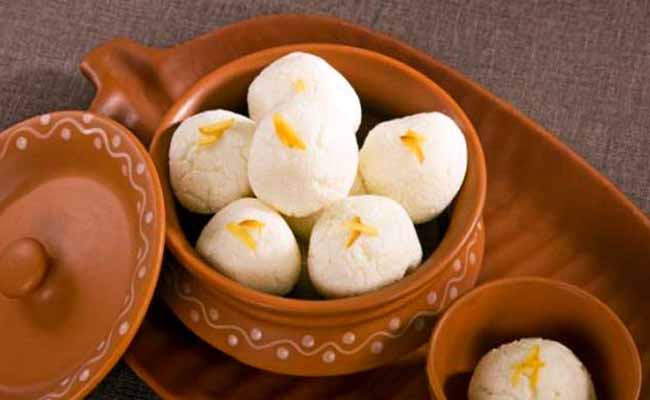
Popular culture attempts to break away from the traditional high art and culture. This song full of popular rhythms, beats and connotation, is a song of criminals celebrating their daily life styles and practices. They enjoy their activities just like rosogolla. It also captures the ‘unseen’ sights of kolkata. The illustrious spaces like college street, park street, Bagbazar carry forward the heritage and socio-cultural value of kolkata as a postcolonial city. If these spaces imbibe the vibes of high culture, they also evoke out a sense of ‘popular’ sensibilities. Consequently, rosogolla becomes a popular food just like the city itself. The popular spaces are prone to create cultural ambiguities and pluralities. Similarly, the rosogolla produces the juxtaposition of high and ‘low’, traditional and ‘popular’. This atmosphere of binaries are the main ethos of the song that criticises high culture and at the same time celebrates it. On the other hand, this song is sung by a female singer and performed by an actress. It also destabilizes the conventional identity of food and gives it a feminine perspective. Rosogolla is given the physical and psychological attributes of a girl/woman who happens to be a thief. Thieves, the act of criminality fall under the police scrutiny. Thief is a threat to the society whereas food especially rosogolla brings solace and peace. Food makes people assemble together and makes them find a sense of brotherhood and sisterhood among all. Thus, the writer/ composer posits two opposite ideas side by side creating a feeling of antithesis and duality. This song brings an analogy of food and space, space and criminality. Kolkata is the place of different people belonging to different ages. This is a place of young youths and this is the same place for the older ones, senior citizens. Similarly, rosogolla makes people fall in love with itself belonging to the different ages. While doing so, she makes her body compared with the softness of rosogolla that can be the object of allure and fantasy. Therefore, this song also makes a connection among city, food and gaze. Rosogolla is not a boring food. Similarly, her presence does not make anyone feel bored and drowsy. She posits herself as an interesting item girl emitting out the rhythm of youth and beauty. She is the heroine of the song. Rosogolla is also the capital food, the protagonist of food culture of kolkata. Gradually, she, the culprit becomes the ‘rosogolla’ of the kolkata whose omnipresence cannot be overlooked and declined. This is the vibe of rosogolla. This is the ‘taste’ of the rosogolla. This is how the creators shift the attention from criminal activities to the intricate connectedness among city, food and gaze.
In the particular song, ‘Ami Kolkatar rosogolla,’ she compares herself with the sweet dish rosogolla. This song belongs to the movie “Rakte Lekha” sung by Kavita Krishnamurthy. The song starts with the word “namaskar”to attract the attention of the pedestrians. Rosogolla, a celebrated local food of Kolkata especially the Bengali culture and language, embodies a sense of community and heritage among all for its sweet value. Rosogolla can be found in every street, corners of the roads, and shops of different localities. The places and spaces are geographically different but foster the true idea of brotherhood and society. Kolkata becomes a single entity with its loveliness and variedness. She is a pickpocket. She plays the part of a thief. Therefore, she makes her appearance and arrival prominent by uttering those statutory warning “Sabdhan.” By comparing herself with rosogolla, she intends to tell her availability and omnipresence in the different parts of Kolkata. Like rosogolla, she can form groups and communities by radiating her beauty and dancing skill. The first line of the song of ‘ami kolkatar rosogolla’ describes the various shapes and sizes of the human beings of Kolkata as well as the rosogolla. Someone is tall and someone is short. It depicts the variety, diversity and ambivalences.

The actress, Debashree Roy with her sizzling dance movements and posture tries to capture the elegance and aura of Kolkata’s modern urbanity and sophistication. By referring to places like Bagbazar, Tollygunge, Shyambazar, Park Street, College Street, Bhawanipur, Hatibagan and others, she tries to build the city, Kolkata as the microcosm of hybridity, differences and fluidity. This essay attempts to read the relation between city and food and how it creates heritage, a sense of belonging and rosogolla becomes the cultural icon of Kolkata, a South-Asian postcolonial city. Rosogolla becomes the symbol of cultural resistance and justifies itself as a postcolonial local food. Kolkata being the British occupied colony, tries to formulate its own traditional identity though the British tried to establish their culture and food. Fortunately, it generates the cultural ambiguity and does the cross-over between cultures and places. She does not consider herself as motichur, dry goja. She considers herself as a watery and juicy entity such as rosogolla which has some social and cultural significance. These mentioned foods lack the vintage aura and cultural value unlike rosogolla. By doing so, she tries to posit herself as someone worthy and memorable. She is notorious for her stealing skills and ability to engage the audiences, spectators in praising her. Like rosogolla, she can be found in these urban spaces usually doing her tactics. Like rosogolla, she moulds the identity of the commoners who are united to see and watch her youth and beauty. The taste of the rosogolla is divine just like her youthful charm. While making an analogy between self and rosogolla, she slightly turns herself into an object of gaze and desire. Borrowing the references from Laura Mulvey, the readers can say that this song celebrates female identity, female desire and sexuality. In this song, the woman is not completely reduced to an object of desire for male figures. There is no male gaze as it is the assertive, active voice of a woman thief who has agency. The active spectators find her body desirable like rosogolla. Therefore, this song hints at the relation between women and food and intentionally or unintentionally, digs at the position of the women thieves and their statuses.
Apparently, it is a comical song. It is a biting satire on the interrelationship among food, women, gaze and city. It also unearths the decaying moral sensibilities of Kolkata portrayed in the post-independent era. On one hand, rosogolla creates the heritage sites, spaces by forming a sense of unity within diverse urban spaces; it also alludes to the cautionary condition of law and security in the city of ambiguity, ambivalence and differences. Although she attempts to misguide the police, she has been caught at the end of the song. She repeatedly utters the word “Sabdhan” only to attract the attention of the inhabitants. She herself is the root cause of concern. For her activities, the dwellers face problems of various sorts. She causes chaos. Similarly, rosogolla creates an oxymoronic condition of peace and commotion for its market value.
In the popular culture/song, one can find the subtleties of resistance as it defies the high culture and turns out to be a popular song. It talks about the stories of the margins, the ‘silenced’ ones whose value and presence is somehow not celebrated in the local and global history. Thus, kolkata becomes the miniature of the world and rosogolla becomes the site of contestations, conflicts and resistance by opposing the Bengali primordial meal rice and roti and becoming the centre of attention. This popular song is the experience of the criminal(s) and transforms itself as a rogue narrative by highlighting on the relation between city and food and city and criminality. It becomes a song of resistance, a song of ‘offbeat’ criminal voices and experiences. In this song, these afore-mentioned places become the sites of (postcolonial) dualities and hybridity. Thus, this essay displays how this song creates the postcolonial duality between heritage and modernity, sophistication and mundane activities, self and community, city and food and deals with the politics of representation of the shades of Kolkata as a lively postcolonial city.
Works Cited:
Lahiri, Bappi. sung by Kavita Krishnamurthy. “Ami Kolkatar rosogolla.” 1992
https://share.google/DlGlN40nThZrFnMDG
Mulvey, Laura. “Visual pleasure and Narrative cinema. ” Screen. Vol 16, issue 3 (Autumn 1975) pp 6-18
About the Author
Srijani Dutta writes and paints. Some of her works have been published in the national and international magazines.


 The Hemlock Journal
Leave a comment