I’ll never forget the time I jokingly called a friend’s sandwich “postmodern art”—and woke up to ten angry emojis and a group chat full of “unfriending” threats. Welcome to cancel culture: where a single bad joke can get you digital dunked. But is this public shaming a wild mob run amok, or is it the one tool regular folks have to smack down the bigwigs who always skate by?

Internet Courtroom: Guilty by Meme?
On one side, you’ve got folks warning that cancel culture is basically “thought-police 2.0.” Imagine an entire jury of strangers armed with hashtags, ready to crucify you for that one regrettable tweet from 2012. No judge, no trial—just instant outrage. It’s like being tried in a fast‑food drive‑thru: “You’re guilty, sir, hand over your dignity, and have a nice day.” Critics say this kills honest conversation—nobody wants to risk the public guillotine, so debates die in the crib.
Note that the word “boycott” comes from Charles C. Boycott, a 19th‑century Irish land agent who got socially exiled. If people back then could gang up on a guy for rent collection, you know humans have long loved digital shaming.
Power to the People… Or Just Noise?
Flip the coin and defenders cheer: “About time we got a mic!” For too long, the powerful—CEOs, celebrities, politicians—could do shady stuff behind closed doors. Cancel culture gives everyday voices a megaphone. A sexist CEO? Boom—public pressure forces a mea culpa or a pink slip. It’s grassroots justice, served up in 280 characters. And let’s be real: traditional systems often ignore complaints about harassment or racism. Sometimes the only leverage left is mass outrage.
Personal flashback: I once watched a major brand backpedal on a racist ad after 100,000 angry tweets. Did it solve systemic bias? Hell no—but it showed that even giant corporations can’t snooze through a social media firestorm.
Where’s the Line?
Of course, there’s a dark side. I’ve seen people lose jobs over a meme they barely remembered posting. That’s like banning someone from the playground for spilling milk in first grade. Nuance vanishes: you’re either saint or sinner. And public apologies often read like ransom notes—“I’m sorry if anyone was offended.” It’s performative, hollow. Meanwhile, actual change? Meh.
So, What’s the Verdict?
Should we slam the brakes on online tribunals? Or is cancel culture our only check on untouchable power? Maybe the answer isn’t “all or nothing.” We could demand a little accountability from our outrage mobs—say, a moment’s pause before we torch someone’s career. Think of it as “trial by Twitter,” but with a two‑tweet minimum for context.
On the flip side, if we neuter cancel culture completely, we risk letting the same bad actors roam free, cloaked in privilege. That feels… cozy, if you’re into old‑boys‑club vibes.
Why not replace cancel culture with a polite letter? “Dear Mr. CEO, your racist tweet offended us. Love, Everyone on the Internet.” Yeah, that’ll show ’em.
Final Thoughts
Cancel culture is messy, unpredictable, and occasionally savage. But it’s also a loudspeaker for voices that once echoed into the void. Maybe instead of outlawing it, we should teach each other how to wield it responsibly—like learning to drive a stick shift without stalling. After all, social media justice is here to stay; better to learn the ropes than bury our heads in the sand.
So, next time you feel that rush of righteous fury, ask yourself: am I building a better world, or just staging a digital dogpile? Either way, buckle up—this ride’s got no seat belts.
About the Author:
Sabyasachi Roy is an academic writer, poet, artist, and photographer. His poetry has appeared in Viridine Literary, The Broken Spine, Stand, Poetry Salzburg Review, The Potomac, and more. He contributes craft essays to Authors Publish and has a cover image in Sanctuary Asia. His oil paintings have been published in The Hooghly Review. You can follow his writing on Matador here:
https://creators.matadornetwork.com/profile/e0x59k96/
Craft essays: https://sabyasachiroy.substack.com/, Instagram: pensoftworks
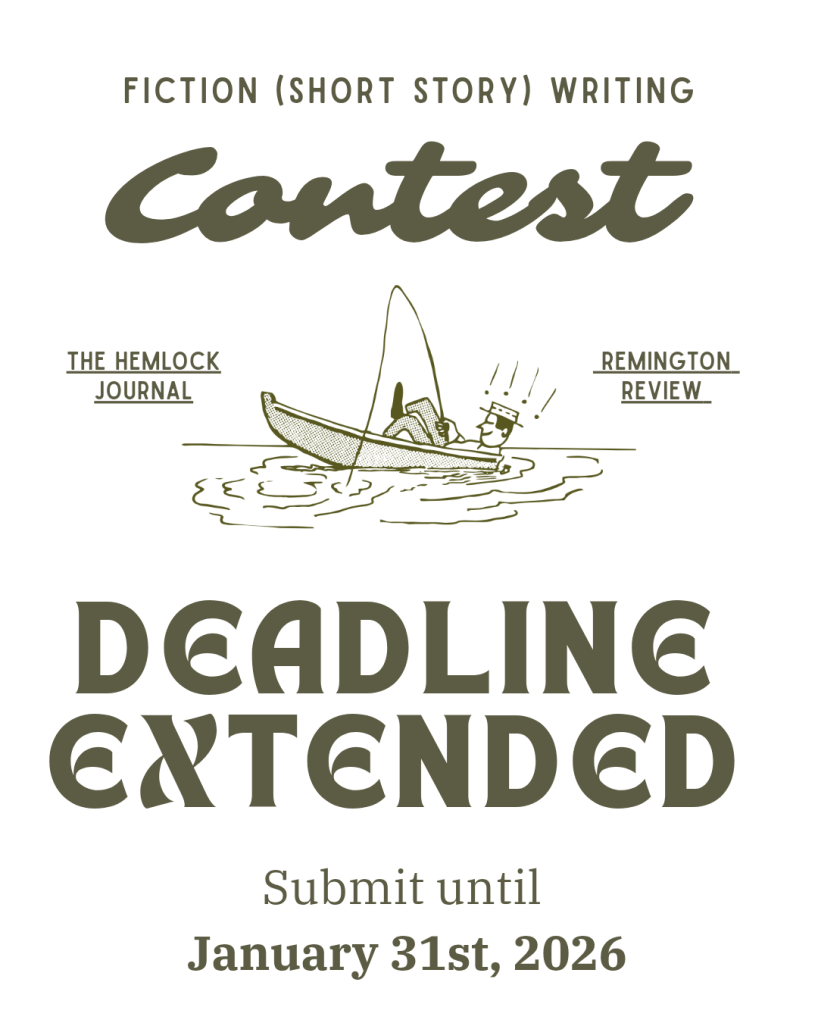
SUBMISSION OPEN for Fiction Writing Contest. Win Cash Prizes and Dual Publication with The Hemlock Journal and Remington Review. Click Here to Know


 The Hemlock Journal
Leave a comment