“Those poems reflect the conditions under which the book was completed. Questions of dignity, labor, and stability had become unavoidable, and they intersected directly with the emotional concerns already present in the work. Including them was a matter of accuracy rather than commentary.”
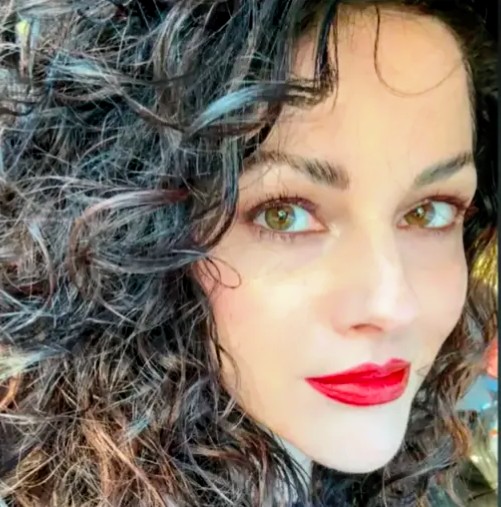
Rachel Turney in conversation with Nina Nicole Garner, author of new poetry collection, ‘The Composition of Returns’
Rachel: Your first collection, Let Want Be Hunger, came out with Crying Heart Press in 2025. Can you tell us more about your partnership with CHP and the future of your work together?
Nina: Yes, Crying Heart Press published my debut collection earlier this year. I had a wonderful experience working with Vaughn Ross. The press had only published four collections prior to releasing mine. Vaughn is so passionate about getting his author’s work out there and into the reader’s hands. One day I sent him a message asking if he had considered launching a magazine. He had. So the CHP Zine was born. Issue No. 1, Waking the Dead, will be available March 17, 2026. Right now, we are focused on the zine launch and curating the best collection of poetry and art we can. In the future, we might begin holding contests and I may begin offering poetry workshops.
Rachel: Your book has some political overtones. For example, the poem “Parasite Class” discusses the ruling elite as juxtaposed by the working class. Why did you want to talk about that as part of your first collection?
Nina: Let Want Be Hunger spans nearly a decade of work, and the political poems are among the most recent pieces in the collection. As I was finishing the book, political and economic tensions in the country were peaking, and it felt dishonest to exclude that reality.
Those poems reflect the conditions under which the book was completed. Questions of dignity, labor, and stability had become unavoidable, and they intersected directly with the emotional concerns already present in the work. Including them was a matter of accuracy rather than commentary.
Rachel: Is the Ballerina Inside the Music Box you?
Nina: Yes, it’s me. The poem addresses the gap between external presentation and internal reality, particularly as it relates to living as a woman with ADHD. It offers a way of thinking about what happens when internal systems don’t function as expected, without requiring the reader to identify it by name. Most people carry at least one internal mechanism that doesn’t function the way it’s expected to.
Rachel: Many of your poems have lovely erotic undertones. Why is eroticism such a strong part of your first collection?
Nina: The poems in this collection are meant to be an embodied experience. Vulnerability, intimacy, ambivalence, fear, tension, longing, desire–they are all part of the full spectrum of feeling and being in the body. Wanting has many layers, eroticism is one of them.
Rachel: Your first book talks about heartbreak. What’s breaking your heart these days?
Nina: These days I am grieving the fact that time only moves in one direction. There are things I have said and done in the past that are irreversible. It breaks my heart to know that there are things I have said and done out of fear, pain, and anger that I can never undo, and there are things I didn’t say or do that I should have and I waited too long.
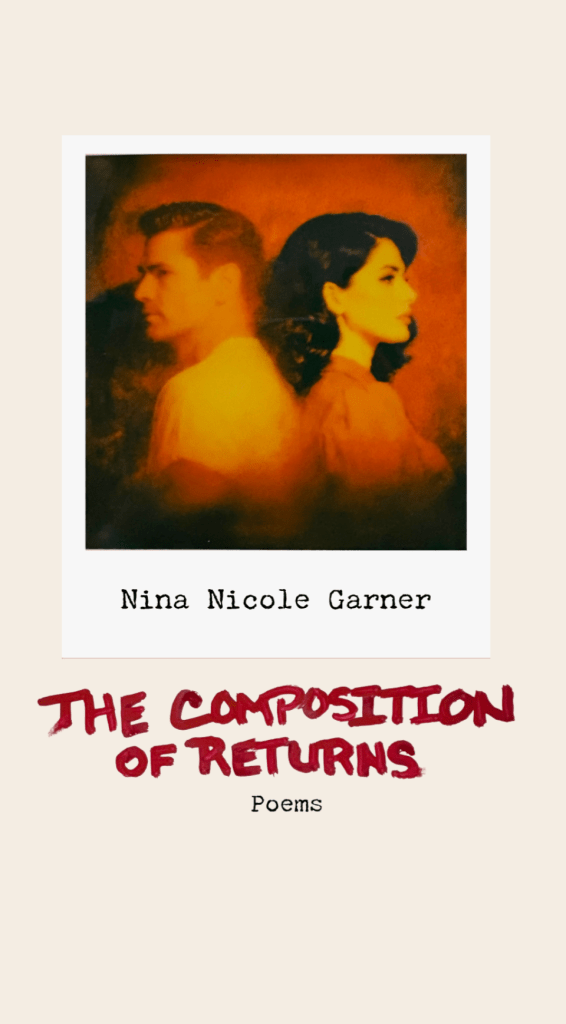
Rachel: What do you feel you want to accomplish with your follow-up collection The Compositions of Returns, due out with Crying Heart Press February 11, 2026?
Nina: The Composition of Returns emerged from a change in how I was willing to approach the past. After completing Let Want Be Hunger, I realized there were experiences and relationships I had circled but not entered, things I hadn’t said or done, often out of restraint, pride, or self-protection.
This collection is still emotional, but it is more revealing. It returns to formative moments and people with fewer defences in place and allows the work to move closer to what I previously withheld. Where Let Want Be Hunger is driven by desire and its aftermath, Composition of Returns is concerned with exposure. It focuses on what surfaces when avoidance is no longer part of my process, and I allow the language to go where I didn’t before.
Rachel: What’s your favorite piece from The Composition of Returns?
Nina: One of my favorite pieces in The Composition of Returns is “On a Monday in March.” It’s the first time I’ve written a memory like this without distance or deflection. The poem holds a moment of quiet vulnerability, something previously kept close to my heart, recognizing safety where I hadn’t expected it.
“armor, my life’s work, was a floral print dress
coiled on your bedroom floor.”
It’s one of my favorites because it contains something I protected for a long time. I had always approached this particular relationship through layered metaphor; this poem allows that tenderness to exist plainly. Writing it required a level of exposure I have not allowed myself before.
Rachel: Thank you, Nina, for your raw vulnerability in your debut collection Let Want Be Hungerand I look forward to reading your new collection, The Composition of Returns, this spring!
About the Interviewer
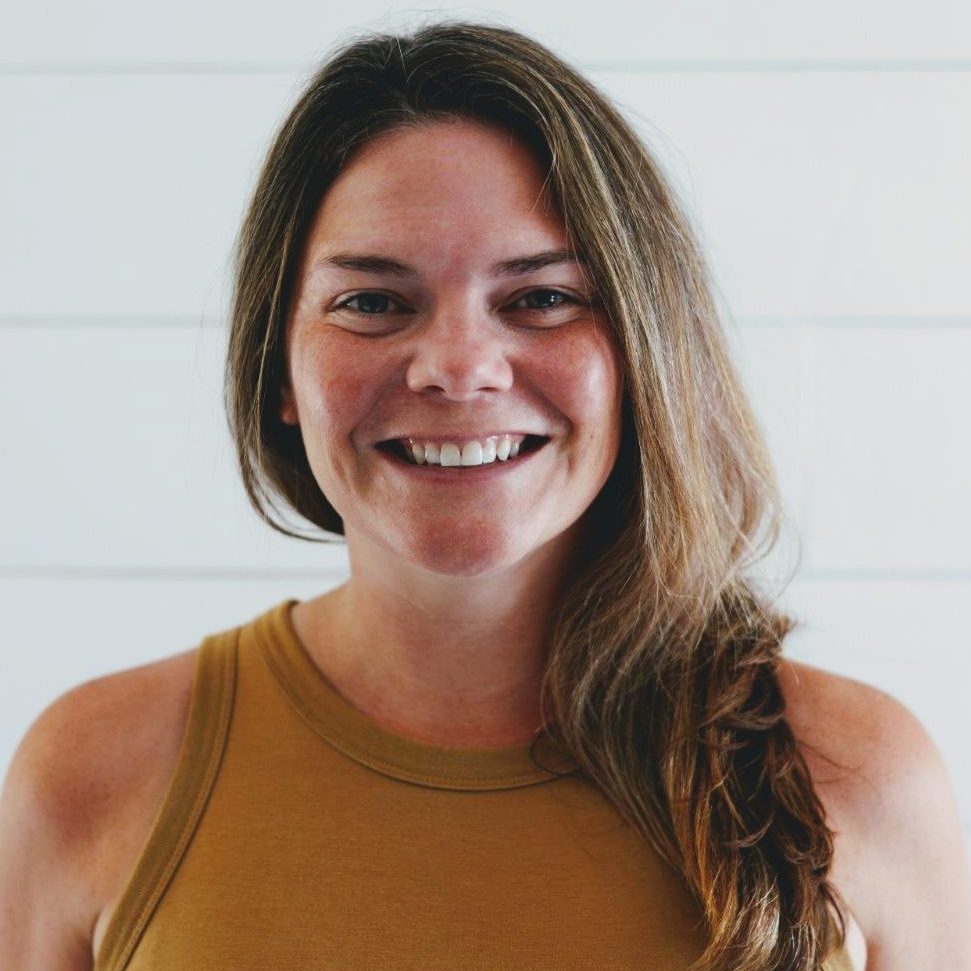
Rachel Turney, Ed.D. (she/her) is an educator and artist located in Denver. Her poems, research articles, reviews, and drawings can be found in a variety of publications. Rachel is passionate about immigrant rights, teacher support, and empowering other artists. She is a Writers’ Hour prize winner and Best of the Net nominee. Her photography appears on a few magazine covers. Rachel runs the popular online reading series Poetry (in Brief). She is on staff at Bare Back Magazine with her monthly column Friday Night in the Suburbs. She reads for The Los Angeles Review. Website: turneytalks.com Instagram: @turneytalks Bluesky: rachelturney
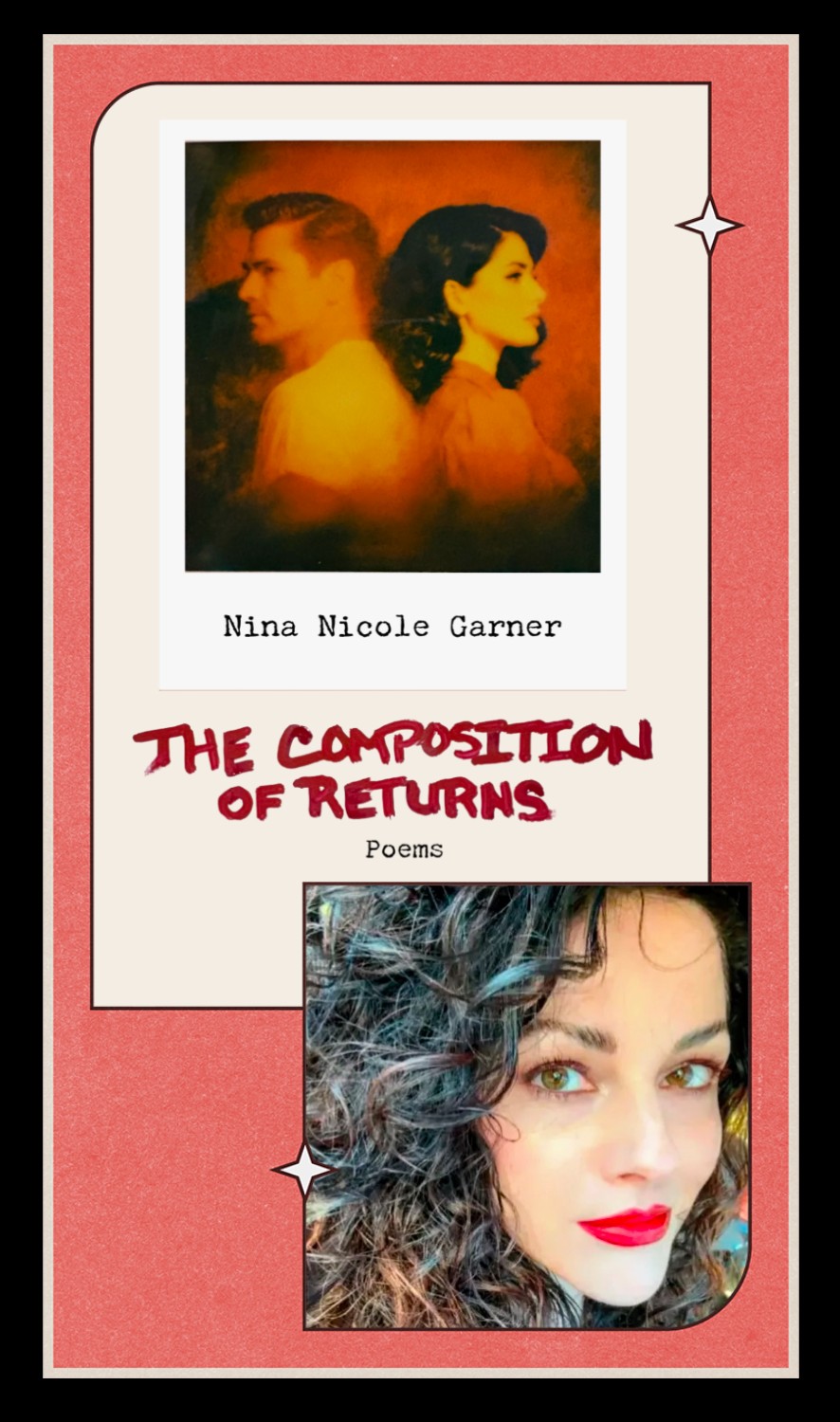

Available with Crying Heart Press on February 11th
Join for the online launch on February 14th at 11 a.m. PST, Noon MST, 1 p.m.
CST, 2 p.m. EST for this free live event on Zoom.
Zoom: https://shorturl.at/gadsW


 The Hemlock Journal
Leave a comment