Nepal’s Gen Z Protests and the Dawn of a New Leadership
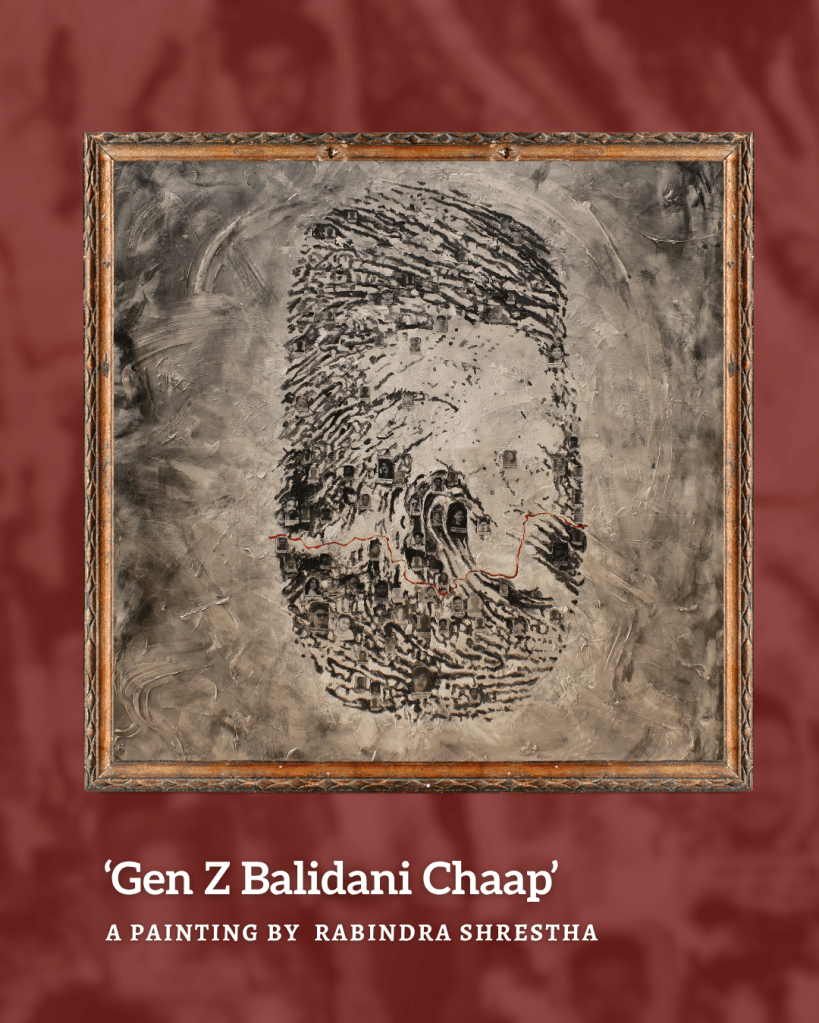
September 8 marked the beginning of a youth-led protest focused on ending corruption and advocating for accountability and transparency, with a nationwide turnout at Maitighar. The movement’s slogan reflects the disparity between leaders’ children, who enjoy privileges, and the general public’s children, who face neglect and lack opportunities.
This was a highly highlighted term taken as one of the reasons for this chaotic protest. Youth frustration, ongoing injustice, unfairness, and unemployment issues grew a seed of rage and resentment towards the Nepali government. Many people understood the Gen Z protest began due to a ban of 26 popular social media sites, including Instagram, X, Facebook, WhatsApp, etc. This was not exactly the whole reason. The Gen Z demands include greater political accountability and anti-corruption measures.
It is crucial that people realize that Gen Z protests were organized long before social media was banned; the fact that the protest took place on a day when social media was blocked confused both the public and the international media. The only reason was corruption, but people were misled by logical fallacies to believe that the social media ban was the cause.The protests have turned grievous, with security forces using real bullets in the name of rubber bullets, water cannons, and live ammunition. Sadly, 72 people, including youths, have lost their lives in two days of protest, and more than 196 people have been injured and have undergone medical treatments at 32 hospitals across the country. Many public figures, including Mayor Balen Shah and actors like Hari Bansha Acharya, Madan Krishna Shrestha, Rajesh Hamal, and Pradeep Khadka; social activist Ashika Tamang; and others have expressed their support and their call for a fairer, more accountable government. During the protests, Tamang was seen actively raising her voice against corruption and unfair practices, joining demonstrations, and speaking out for public rights.

“What began as a digital outcry has turned into one of the most vocal, organized, and visible youth-led protests Nepal has seen in recent years,” as reported by Nepal News On September 9, day two , protests continued to get more intense. One of the youths in the protest stated, “dear mother, I may not return home because the state is run by murderers”. Now, let’s reflect on the events that have transpired this far.
A lot of things happened during the two days of protest, leaving everyone in shock and fear. From political fallout to destruction of public and private properties, we have lost much. Including Prime Minister KP Sharma Oli, 10 ministers resigned. There has been a question on who will be the next interim prime minister for the upcoming 6 months.
On day two, 9th September, Police forces backed off, and we have only army forces taking control over the situation in Nepal and maintaining peace.
Curfews were imposed in Kathmandu due to ongoing clashes and vandalism of public properties. Media houses, buildings , schools , Nepal Rastra Bank, the Supreme Court, and houses have all burned down. Kathmandu was filled with dust, smoke, and chaos with political unrest.
How it feels when you wake up and realize that Singha Durbar and the Supreme Court have burned down. The living, rich history of our country, its culture, its architecture, lifelong documentation, and our identity have all gone to ashes. We haven’t just lost history, but part of ourselves.
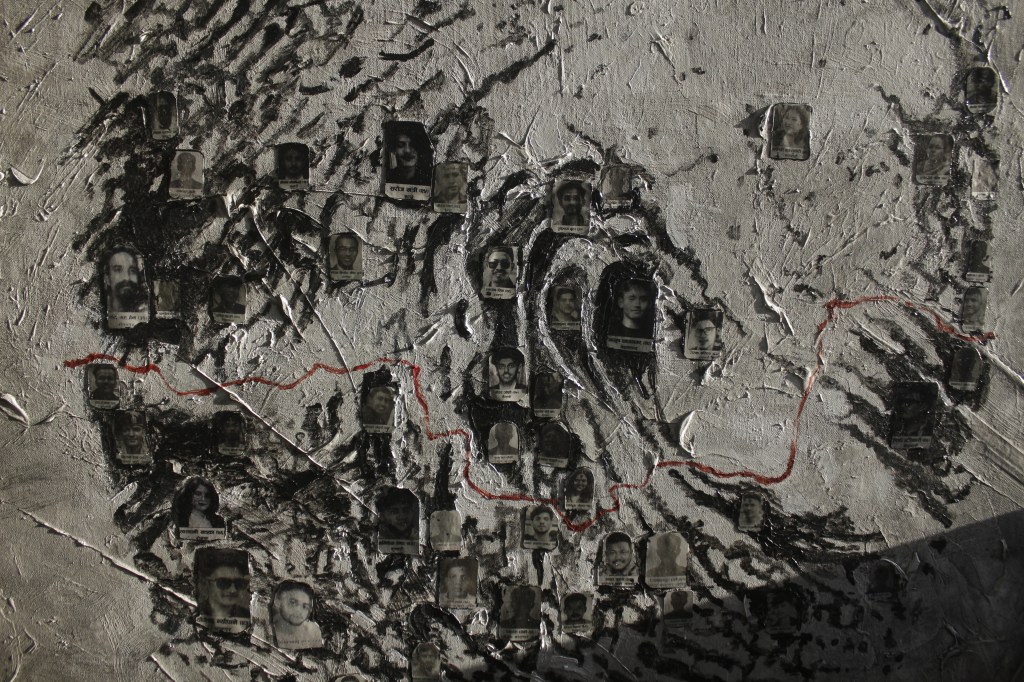
As per the report, UN Human Rights and UNICEF South Asia have raised serious concerns about the government’s use of force against children and protesters during the Gen Z protest in Nepal.”
Knowing that our country is without any guardian to look after it, there is a risk of foreign governments interfering in our country. This tough reality hit hard, signaling a deeper legitimacy crisis. There is ongoing discussion on who will take charge now and who will lead the nation. The systemic corruption, nepotism, and elite privilege have taken Nepal on a path without destination.
To view it with another lens, the impact of shutdowns has escalated to a higher level. The imposition of curfews has disrupted businesses and works of people, leading to economic frustrations in people. Damage to multiple infrastructures has led to huge economic tensions and lack of maintenance.
The Gen Z Movement corruption—the whole world has witnessed a lifelong history so far in decades. Collective efforts of youths have exposed Nepal’s crisis of leadership and broken promises. There is this rising question: after deadly crackdowns, can Nepal’s young protesters turn grief into long- term change? Eventually, as things have come to a normal state, the parliament has been dissolved, and a new interim government has taken charge. For the first time in history, Nepal has been blessed with a female prime minister, Sushila Karki, and the first female chief justice, offering a fragile nation a sense of hope, like a balm on deep wounds. Yet the cost of this moment is heartbreaking. As reported by the government’s Chief Secretary, 72 lives have been lost in the Gen Z movement, including 59 young protesters, 10 who died in custody, and 3 police officers. Another 191 remain in hospitals, fighting to recover.
Due to ongoing curfews imposed from 10th September, it was finally lifted on 13th September and new hope came as the city started to Its normal state.
For us, September 17 has become a day carved in memory, a day of shock and sorrow for an entire generation that dared to demand change, and they are Gen Z heroes whose bloodshed changed Nepal’s history overnight.
Gen Z movements have drastically brought remarkable change to the nation at the very cost of their lives. They buried their own dreams for the sake of their country while leaving invisible wounds on the faces of their loved ones. Violence, deaths, and destruction have not only scarred Nepal’s history but also deeply traumatized the mental and emotional well-being of its people. Families grieving their children, protesters carrying the memory of bullets and tears, and many of us living with fear and uncertainty, yet stepping towards a healing journey has become our strength.
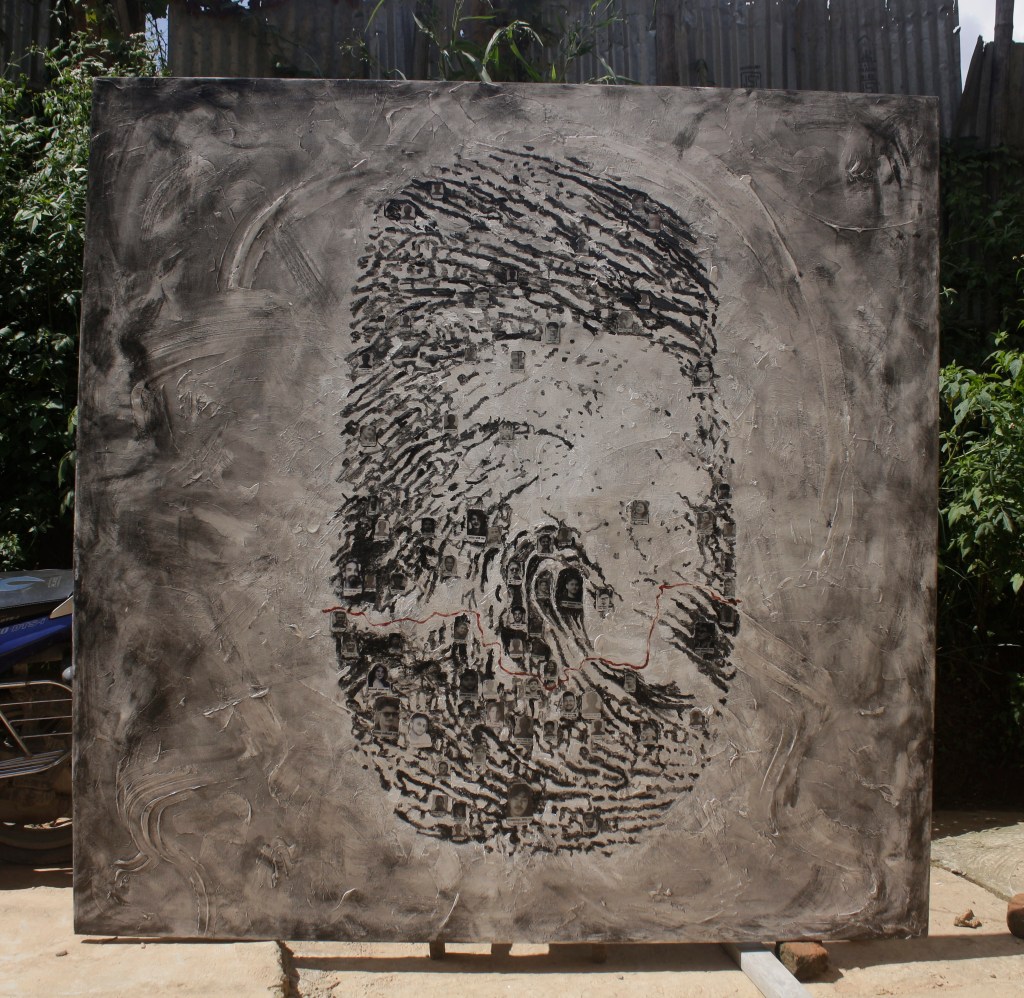
Someone stated, “I thought I was the one afraid that my boy had died, but it turns out the fear was actually my brother’s in the Gen Z protest.”If we take a moment and pause to reflect on the meaning of this statement, it is extremely insensitive and even harsh. As conscious living beings, it is truly important to reflect on what we are saying and thinking because there is no such kind of meditation in this world for wounds caused by someone’s harsh words.A trauma-informed perspective calls for leaders and concerned authorities to prioritize compassion, truth-telling, and long-term psychological support. If it is ignored, the unaddressed grief and collective trauma can become an unhealed wound and pass to future generations as an unhealed wound with an escalation of unknown risk.
But if it is acknowledged and considered, this trauma and grief can lead to a more human, transparent, and accountable system. A true revolution starts when we closely understand all these significant and sensitive aspects in depth. All in all, Gen Z’s sacrifice and bloodshed should never be in vain; a new dawn of leadership is their true call. Those who marched, mourned, and vowed for Nepal’s brighter future and history will remember the heartprints and footprints they have left behind. They have shed their sweat so that Nepal could find its breath again.
About Artist
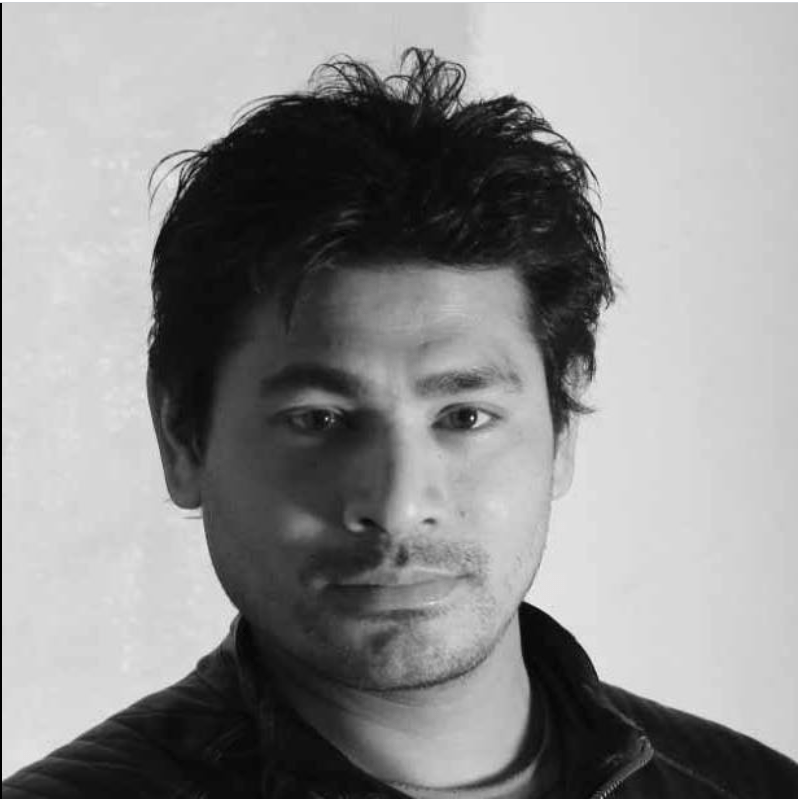
Rabindra is a multi-disciplinary visual artist based in Dhulikhel, Kavre, Nepal. The collaborative line art project with Twenty artists (Line-the Soul of the Universe), Composition and Heritage Line (Heritage series) and Humanity (Fingerprint series), Dunga Chiya Ghar (Boat Tea House), Memories (Coins and boat), Wasyaado (The God of Teeth) are some of his noticeable series in Nepali contemporary art scene. Shrestha is the recipient of Harvard (South Asia Institute) Visiting Artist Fellowship 2017 and secured the National Fine Art Award – 2019 including the National Special Awards four times from National Academy of Fine Arts (NAFA). His works has been exhibited throughout the National Fine Art exhibition (Fifteen times), Kochi-Muzirise Biennale 2014 (The partner project: The Reading Room), and Asian Art Biennale, Bangladesh (Three times: 2016, 2018 and 2023), 10th India Art Fair-2018. In 2019, his artwork titled Heritage and connection has been published in a Chinese envelop on occasion of the 65th anniversary of the establishment of the diplomatic relation between China and Nepal by China Foundation of Peace and Development.
About Author

Selena Elizabeth is a passionate writer from Nepal with a deep love for literature. She has been pursuing her university in English and social work. She has been part of storytelling to children for about five years in the social welfare organization called Asha Nepal. She has been to one of the podcasts highlighting the challenges and complexities of young adults who have spent significant time of their lives from family separation in one of Nepal’s leading Media houses called Kantipur.With a biography called “Searching for Hope” and a collection of short stories to her name, her work touches on the fading beliefs and challenges of the modern world. Through her writing, Selena explores social issues that often go unnoticed, using her words to inspire courage and offer hope




 The Hemlock Journal
Leave a comment